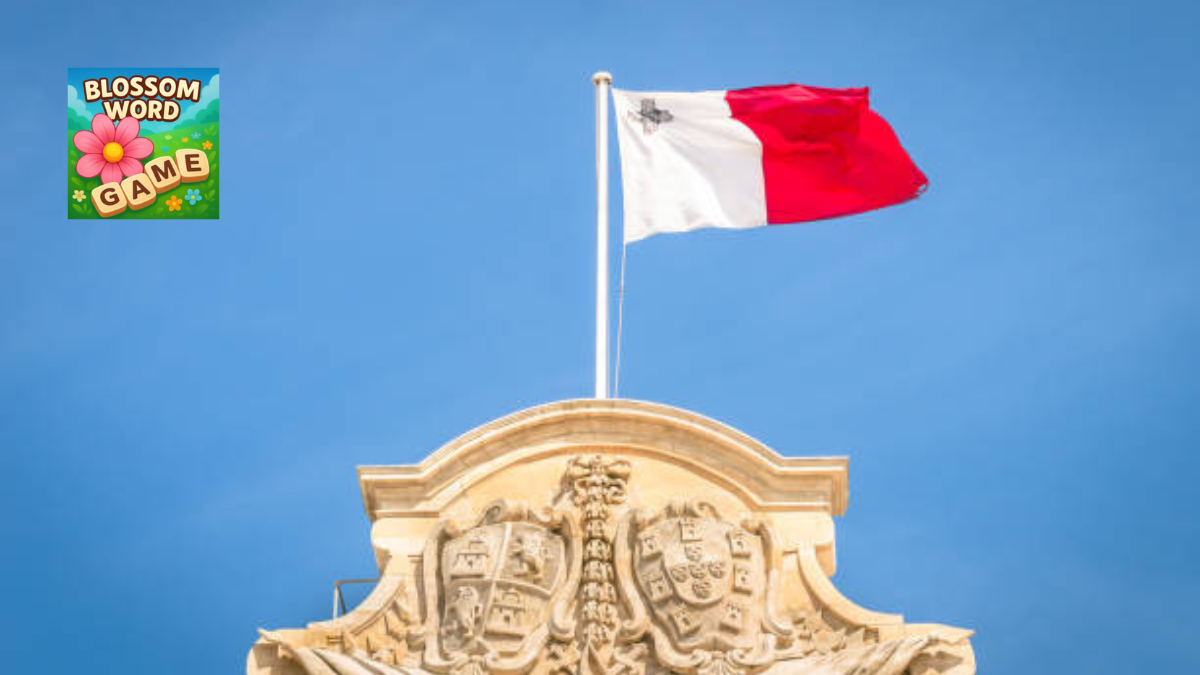
The Malta Flag is a national emblem recognised worldwide for its simple yet meaningful design. It features two vertical stripes: white on the hoist side and red on the fly side. In the top-left corner of the white stripe lies the George Cross, awarded to Malta by King George VI in 1942 for extraordinary bravery during World War II. This small but powerful symbol sets the Malta Flag apart from other national flags, highlighting its unique historical significance.
Beyond its symbolic elements, the Malta Flag serves as a strong representation of national identity. It is prominently displayed in government buildings, schools, and at national events. Its proportion of 2:3 ensures balance and recognisability, making it suitable for both physical and digital use. The flag is an enduring symbol of Malta’s history, resilience, and patriotic pride.
History of the Malta Flag
The history of the Malta Flag reflects the country’s rich and varied past. Its origins trace back to the influence of the Knights of St John, whose own banners inspired the white and red colours. Later, during the British colonial era, Malta maintained its distinctive colours, with the addition of the George Cross recognising the nation’s heroism during World War II. This award was incorporated into the flag, creating a symbol of courage that remains to this day.
Officially recognised in May 1952, the Malta Flag has remained largely unchanged since its adoption. Over centuries, historical variants emerged, reflecting political shifts and cultural evolution. Despite minor design adjustments, the white and red stripes, along with the George Cross, have always symbolised Malta’s resilience, bravery, and historical legacy, making the flag an essential part of national identity.
Colours of the Malta Flag
The colours of the Malta Flag carry deep symbolic meaning. The white stripe represents peace, purity, and integrity, while the red stripe signifies courage, sacrifice, and resilience. Together, these two colours illustrate the character and values of the Maltese people, reflecting centuries of history marked by struggle, determination, and national pride.
In modern use, the precise colours of the Malta Flag are specified in HEX, RGB, CMYK, and Pantone codes. This ensures consistent reproduction across digital platforms, print media, and official documents. The simplicity of the colour scheme, combined with the George Cross, provides a bold, instantly recognisable flag that conveys Malta’s identity clearly and powerfully.
Symbolism of the Malta Flag
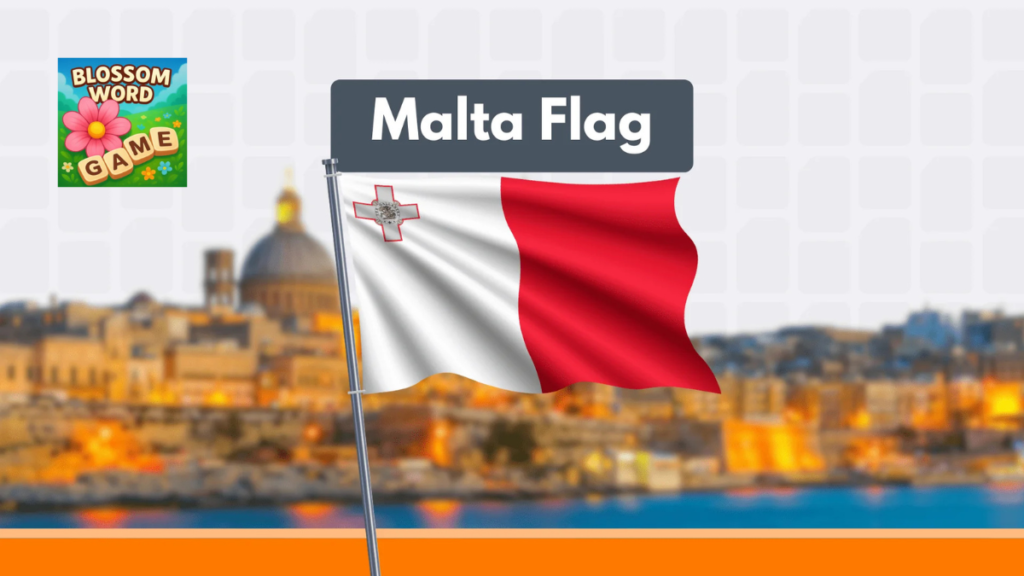
The George Cross is the most significant element of the Malta Flag, symbolising bravery and national pride. Awarded in 1942, it recognises the extraordinary courage of the Maltese people during intense aerial bombardments in World War II. Its placement on the white stripe highlights both honour and remembrance, and it serves as a constant reminder of the nation’s collective resilience.
Beyond the George Cross, the Malta Flag as a whole embodies national unity and cultural heritage. It is prominently displayed during public holidays, official events, and patriotic ceremonies. The flag also plays an educational role, teaching younger generations about Malta’s history, values, and the enduring significance of courage and determination.
Malta Flag in Modern Use
Today, the Malta Flag remains central to Maltese national identity. It is flown on government buildings, schools, and during sports or cultural events, symbolising pride, unity, and patriotism. The flag’s presence in public spaces serves as a reminder of Malta’s history, heritage, and the resilience that has defined the nation for centuries.
Digital representation of the Malta Flag is increasingly common. From emojis to high-quality PNG and vector images, the flag is widely used online and in educational resources. This digital presence allows Maltese culture and history to reach a global audience while maintaining the flag’s integrity and symbolism across various modern platforms.
Interesting Facts About the Malta Flag
The Malta Flag has several unique characteristics that distinguish it from other European flags. One interesting fact is that the George Cross is awarded to an entire country rather than an individual, making it a rare national honour. Additionally, the flag has appeared in films, sporting events, and international exhibitions, highlighting its significance beyond Malta’s borders.
Another intriguing aspect is the enduring popularity of the flag’s design. Despite its simple layout, the combination of white and red with the George Cross is instantly recognisable and highly symbolic. Misconceptions about its colours or symbols are common, but understanding the history and meaning of the Malta Flag reveals the depth of national pride it represents.
Conclusion
The Malta Flag is far more than a national emblem; it is a symbol of courage, resilience, and unity. Its white and red stripes, together with the George Cross, reflect the country’s rich history and patriotic values. From historical recognition during wartime to modern-day displays and digital use, the Malta Flag continues to embody Malta’s identity, serving as a source of pride and inspiration for citizens and admirers alike.
Frequently Asked Questions
What do the colours of the Malta Flag represent?
White represents peace and purity, while red symbolizes bravery and courage.
Why does the Malta Flag include the George Cross?
The George Cross was awarded to Malta in 1942 for exceptional bravery during World War II.
When was the Malta Flag officially adopted?
The Malta Flag was officially recognised in May 1952.
How has the Malta Flag evolved over time?
Its basic design has remained consistent, with minor historical variations reflecting political changes.
What is the correct way to display the Malta Flag?
It should be flown with the white stripe on the hoist side and the George Cross in the top-left corner.
Is the Malta Flag the same as the Maltese Cross?
No, the Malta Flag features the George Cross, which is different from the Maltese Cross symbol.
Can the Malta Flag be used for commercial purposes?
Commercial use is generally restricted; official permission may be required.
How is the Malta Flag used in modern Malta?
It is displayed in government buildings, schools, sports events, and digital platforms.
What makes the Malta Flag unique among European flags?
It uniquely combines vertical white and red stripes with the George Cross awarded to the entire nation.
Where can I find high-quality Malta Flag images and vectors?
Official government websites, stock photo sites, and Wikimedia Commons offer quality images and vectors.
Also Read: chrysler crossfire