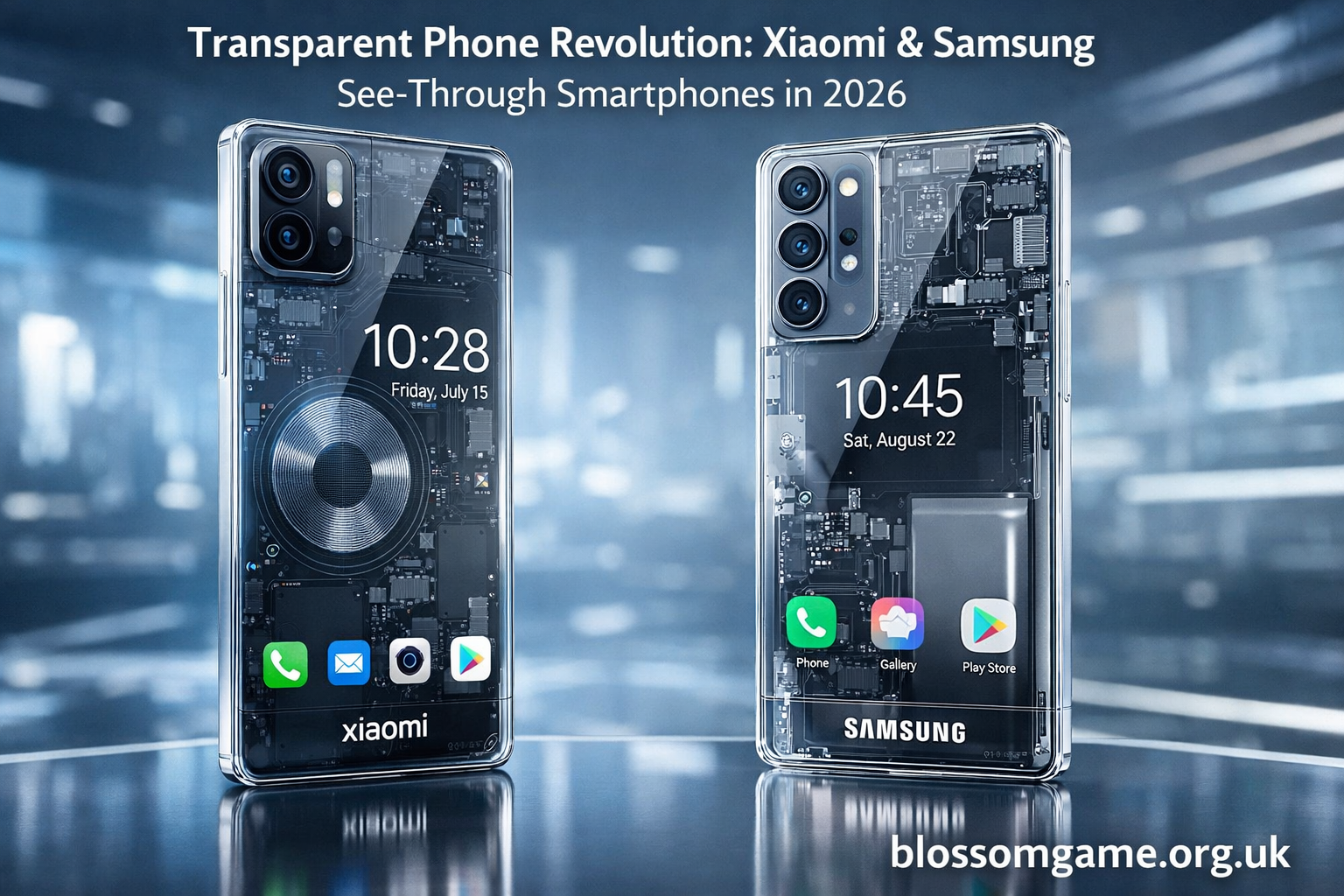
The concept of a transparent phone has captured the imagination of tech enthusiasts and smartphone users alike. Unlike traditional devices, a transparent phone allows users to see through the display, creating a futuristic and visually stunning experience. This innovative approach could completely transform the way we interact with mobile technology, merging aesthetic appeal with cutting-edge functionality.
Major brands like Xiaomi and Samsung are at the forefront of this development. Rumours suggest that fully transparent phones could debut as early as 2026, integrating advanced features such as AR interfaces, AI-assisted applications, and sleek minimalist designs. The transparent phone represents not just a gadget, but a glimpse into the future of mobile technology and human-device interaction.
What is a Transparent Phone?
A transparent phone is a smartphone where the screen and, in some designs, the internal components are completely see-through. These devices rely on advanced OLED or microLED technology, allowing light to pass through while maintaining full display functionality. Transparent phones are currently more of a concept than a commercially available product, with only a few prototypes showcasing the possibilities of this technology.
Creating a fully transparent phone requires overcoming significant engineering challenges. Components such as batteries, processors, cameras, and circuits must either be made invisible or cleverly concealed within the frame. For now, most so-called transparent phones feature clear back panels or partial see-through elements rather than a completely transparent screen. The technology, however, is advancing rapidly, bringing us closer to true transparent phones.
Xiaomi Mi Glass – The Game Changer
Xiaomi has made headlines with its Mi Glass concept, widely regarded as one of the most promising transparent phones in development. The device is rumoured to feature a fully transparent OLED screen, under-display cameras, and an exceptionally minimal internal design. Early reports indicate that a potential launch could occur around 2026, capturing global attention from tech enthusiasts and media outlets alike.
The Mi Glass is designed to combine futuristic aesthetics with functional innovation. It aims to integrate augmented reality and artificial intelligence into everyday smartphone interactions, enabling users to experience a more immersive interface. By focusing on both design and technology, Xiaomi hopes to create a transparent phone that is as visually striking as it is practical, setting a new benchmark for mobile devices.
Samsung’s Transparent Smartphone Innovations
Samsung has been a pioneer in transparent OLED technology, consistently filing patents for fully see-through smartphone designs. Samsung’s prototypes showcase how internal components can be strategically hidden along the frame, allowing for a transparent phone that retains functionality while appearing almost invisible. These innovations have positioned Samsung as a strong competitor to Xiaomi in the transparent phone race.
The company is exploring ways to enhance user interaction with AR and AI directly through the display. While no official release date has been announced, Samsung’s transparent phone developments suggest that a commercial launch could follow Xiaomi’s introduction. The competition between these brands is likely to drive rapid advancements in design, performance, and user experience, making transparent phones more viable for the mainstream market.
Benefits of Transparent Phones
Transparent phones are more than just visually striking devices; they offer unique functional benefits. The see-through design provides a futuristic aesthetic that appeals to tech-savvy consumers, while also creating new possibilities for immersive experiences with augmented reality and AI. These features can enhance gaming, photography, and even daily app interactions, setting transparent phones apart from conventional devices.
Additionally, transparent phones could redefine mobile technology as we know it. By allowing users to see through their device, the interface can become more interactive and intuitive. This innovation could also inspire new app designs, software development, and even workplace productivity tools, making the transparent phone a potentially transformative technology for both personal and professional use.
Challenges and Limitations
Despite their allure, transparent phones face several challenges that limit widespread adoption. Engineering hurdles such as concealing components, ensuring battery efficiency, and maintaining screen visibility remain significant obstacles. Durability is also a concern, as transparent materials are often more fragile and prone to scratches compared with traditional screens.
Privacy is another key limitation. With a transparent phone, sensitive information could potentially be seen by others, raising security concerns. High production costs further restrict accessibility, meaning that fully transparent phones are likely to remain premium concept devices for some time. Until these issues are addressed, transparent phones will continue to intrigue tech enthusiasts rather than replace mainstream smartphones.
The Future of Transparent Smartphones
The future of transparent phones looks promising, with Xiaomi and Samsung leading development efforts. By 2026, these devices may become commercially available, offering an unprecedented combination of aesthetics, functionality, and immersive technology. The transparent phone has the potential to redefine expectations for mobile devices, particularly in areas such as augmented reality, AI interaction, and interface design.
As technology advances, more manufacturers may enter the transparent phone market, expanding options for consumers. UK users can anticipate seeing these devices in select markets, although mainstream adoption will depend on overcoming current technical, cost, and durability challenges. Ultimately, the transparent phone represents a bold step forward in the evolution of mobile technology, merging innovation with style.
Conclusion
Transparent phones are poised to revolutionise the smartphone industry by merging futuristic design with advanced technological features. Xiaomi and Samsung are at the forefront, developing devices that combine immersive AR and AI functionality with visually striking transparency. While challenges remain, the transparent phone promises a glimpse of the future, where mobile technology becomes as innovative as it is beautiful.
Frequently asked questions
Does a transparent phone actually exist?
A fully transparent phone exists primarily as a prototype, with Xiaomi and Samsung leading development.
When will Xiaomi’s Mi Glass be available in the UK?
Rumours suggest a potential launch around 2026, subject to testing and production timelines.
What is the difference between Xiaomi and Samsung transparent phones?
Xiaomi focuses on minimalistic design and AR/AI integration, while Samsung prioritises display innovation and component concealment.
Are transparent phones durable enough for everyday use?
Current prototypes face durability challenges, including fragile materials and scratch-prone surfaces.
Will transparent phones support AR and AI features?
Yes, both Xiaomi and Samsung aim to integrate AR and AI for immersive user experiences.
How much will a transparent phone cost?
Prices are expected to be high due to advanced technology and limited production capacity.
Are transparent phones only concept devices or ready for sale?
Most transparent phones remain concept prototypes, with commercial release likely around 2026.
Can we make regular phones transparent with skins or cases?
Clear cases and skins can create a see-through effect, but they do not make internal components visible.
Also Read: switch controller