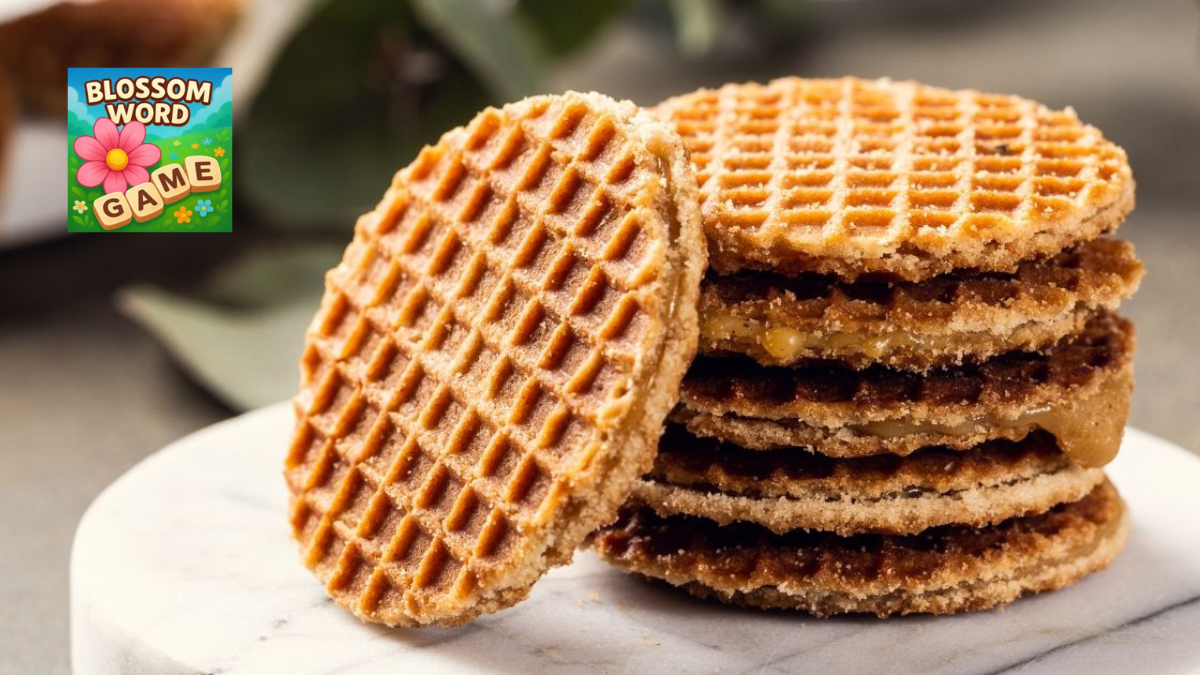
A stroopwafel is one of the most recognisable treats from the Netherlands, celebrated for its sweet caramel filling sandwiched between two thin, crisp waffle layers. This delightful snack is often enjoyed with a hot beverage, which slightly softens the syrup, creating a perfect balance of chewiness and crunch. The stroopwafel has become a favourite not only in the Netherlands but increasingly across the UK, where food enthusiasts seek authentic and indulgent European flavours.
Beyond its delicious taste, the stroopwafel represents a rich cultural heritage. Originating in Gouda during the late 18th century, it has been a staple of Dutch street markets for centuries. Today, it is a symbol of Dutch culinary craftsmanship, offering a unique combination of tradition, flavour, and texture that continues to captivate people worldwide.
What Is a Stroopwafel
A stroopwafel, literally meaning “syrup waffle” in Dutch, is a thin round biscuit made by pressing two layers of baked dough together with a caramel-based syrup filling. The distinctive checkerboard pattern on the surface gives the waffle its signature appearance and adds a subtle crunch. Traditionally, the caramel filling includes hints of cinnamon, which complements the buttery, slightly sweet dough.
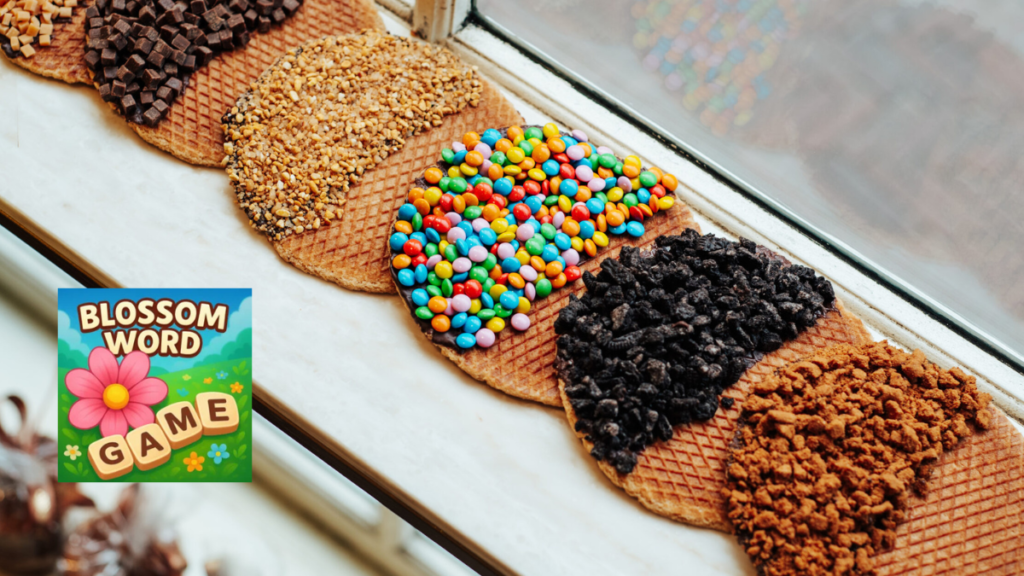
While the classic stroopwafel remains the most popular, modern variations have emerged, including chocolate-dipped or coffee-flavoured versions. Regardless of these adaptations, the essential combination of crisp exterior and soft, gooey interior remains the defining characteristic of any stroopwafel. Its unique texture and flavour make it instantly recognisable and universally loved.
History of Stroopwafels
Stroopwafels have their roots in the city of Gouda in South Holland, where bakers in the late 18th century used leftover breadcrumbs and syrup to create an affordable, tasty snack. Initially, these treats were sold at local markets and fairs, providing a quick energy boost for labourers and townspeople alike. Their simple ingredients and delightful taste quickly earned them a reputation as a beloved Dutch snack.
Over the years, the stroopwafel evolved from a humble street food to a culinary icon. Artisanal bakers refined the recipes, creating more sophisticated versions with higher-quality ingredients. Today, stroopwafels are enjoyed worldwide, appearing in cafes, supermarkets, and specialty stores. Their enduring popularity highlights their cultural and gastronomic significance.
Ingredients and Nutritional Information
Traditional stroopwafels are made from simple yet high-quality ingredients. The waffle dough includes flour, butter, brown sugar, eggs, yeast, and milk, often with a pinch of cinnamon to enhance the flavour. The syrup filling is crafted from brown sugar, butter, and syrup, creating the caramel taste that is synonymous with stroopwafels.
In addition to classic flavours, modern variations include chocolate-coated, coffee-infused, or salted caramel fillings. Nutritionally, stroopwafels are sweet treats, offering a quick source of energy due to their sugar content. Vegan and gluten-free alternatives are also increasingly available, allowing a broader audience to enjoy this iconic snack while accommodating dietary preferences.
How to Make Stroopwafels at Home
Making stroopwafels at home is a rewarding experience, allowing you to enjoy fresh, warm waffles straight from the kitchen. The process involves preparing a yeasted dough, rolling it thin, and baking it in a waffle iron until golden brown. The warm caramel syrup is then spread between the two layers, producing the classic chewy, sticky texture.
Home baking allows for creativity, from experimenting with flavoured syrups to adjusting the sweetness to taste. Achieving the correct balance of crisp exterior and soft interior is essential, as it defines the authentic stroopwafel experience. Whether following traditional methods or using modern shortcuts, homemade stroopwafels capture the charm of this Dutch delicacy.
How to Eat a Stroopwafel
Traditionally, stroopwafels are enjoyed by placing them over a hot cup of coffee or tea. The steam gently warms the syrup filling, softening it slightly while keeping the outer waffle crisp. This simple ritual enhances the texture and aroma, making the stroopwafel even more enjoyable. It is a perfect accompaniment to a morning or afternoon beverage.
Beyond the classic method, stroopwafels can be used creatively in desserts. They can be crumbled over ice cream, layered in trifles, or even incorporated into baking recipes. No matter the serving style, stroopwafels offer a versatile, indulgent, and uniquely Dutch flavour experience that appeals to all ages.
Stroopwafel Around the World
Stroopwafels have gained global popularity, appearing in UK supermarkets, speciality stores, and online retailers. Authentic brands like Daelmans are widely recognised, while local bakeries often offer unique variations to attract curious food lovers. This international availability has introduced the stroopwafel to a diverse audience, making it a sought-after treat for travellers and enthusiasts alike.
Modern adaptations of stroopwafels include chocolate-coated versions, flavoured syrups, and even oversized festival editions. These innovations demonstrate how a traditional Dutch snack has evolved while remaining true to its original identity. Whether enjoyed at home or purchased abroad, the stroopwafel continues to charm people worldwide with its delightful taste and cultural heritage.
Stroopwafel Fun Facts and Trivia
Stroopwafels have earned recognition beyond their taste, even making appearances in the Guinness World Records for the largest ever stroopwafel. Athletes sometimes choose stroopwafels for a quick energy boost, highlighting their practical as well as indulgent qualities. These small yet powerful treats have become iconic symbols of Dutch culinary artistry.
Pronouncing stroopwafel correctly can be a challenge for non-Dutch speakers, but trying one is reward enough. From bustling markets in the Netherlands to cafes in the UK, stroopwafels continue to delight fans with their unique texture, rich flavour, and charming cultural story. They remain an enduring favourite for both casual snackers and dedicated food enthusiasts.
Conclusion
Stroopwafels are more than just a sweet snack; they are a testament to Dutch culinary heritage. The combination of crisp waffle layers and gooey caramel syrup creates a uniquely satisfying experience that has captivated people for centuries. Whether enjoyed traditionally with coffee, incorporated into desserts, or baked fresh at home, stroopwafels remain a beloved treat worldwide.
Their growing popularity in the UK highlights their universal appeal and timeless flavour. For anyone looking to enjoy an authentic taste of Dutch culture, a stroopwafel provides a delightful and indulgent experience.
Frequently asked questions
What is a stroopwafel and where does it come from?
A stroopwafel is a Dutch caramel-filled waffle cookie that originated in Gouda, Netherlands in the late 18th century.
What ingredients are in a traditional stroopwafel?
Traditional stroopwafels are made from flour, butter, brown sugar, eggs, yeast, milk, cinnamon, and caramel syrup.
How do you eat a stroopwafel the Dutch way?
Place a stroopwafel over a hot cup of coffee or tea to warm the caramel filling before eating.
Are stroopwafels healthy or high in sugar?
Stroopwafels are a sweet treat and relatively high in sugar, providing a quick energy boost.
Can stroopwafels be made at home?
Yes, stroopwafels can be made at home using waffle dough and homemade or store-bought caramel syrup.
Where can I buy authentic stroopwafels in the UK?
Authentic stroopwafels are available in UK supermarkets, online stores, and specialty European food shops.
What are the most popular stroopwafel flavours?
Classic caramel is most popular, followed by chocolate, coffee, and salted caramel variations.
Are stroopwafels suitable for vegetarians or vegans?
Traditional stroopwafels are vegetarian-friendly, but vegan versions require dairy-free butter and syrup.
How do stroopwafels differ from regular waffles?
Stroopwafels are thin, chewy, caramel-filled, and round, unlike thicker, plain breakfast-style waffles.
Why are stroopwafels so chewy and caramel-filled?
The chewy texture comes from the syrup filling, which softens the crisp waffle layers when heated.
Also Read: weather halesowen