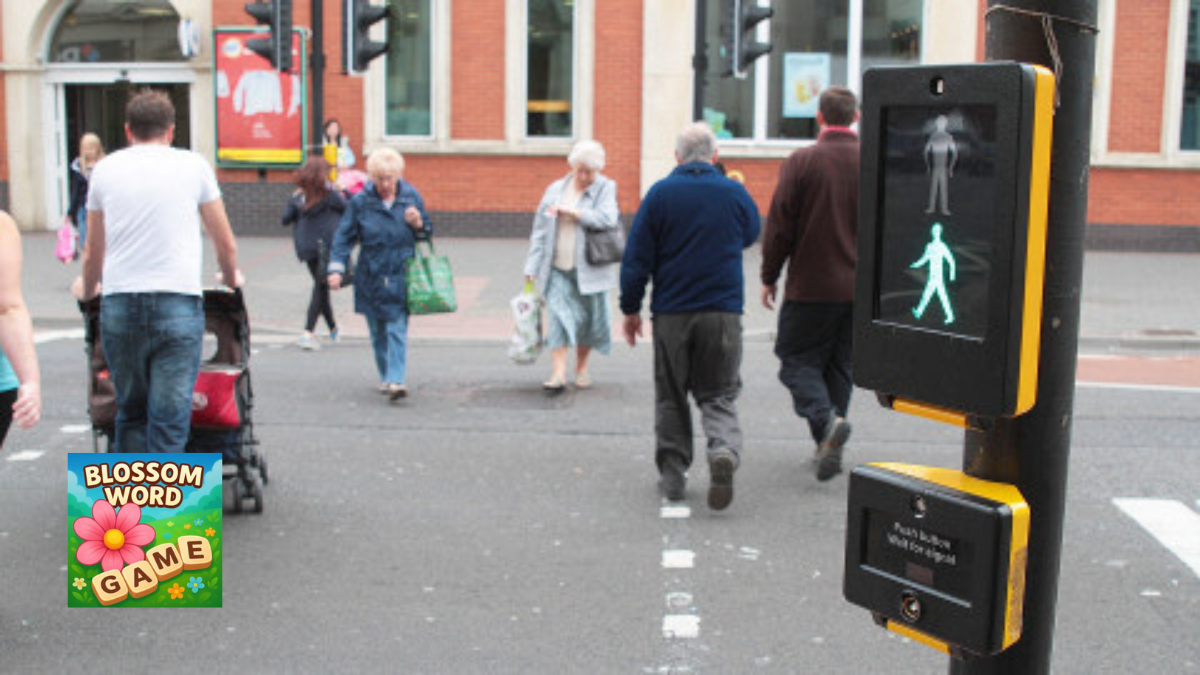
A Puffin crossing is a modern pedestrian crossing designed to prioritise safety and efficiency on busy UK roads. The term “PUFFIN” stands for Pedestrian User-Friendly Intelligent, reflecting its advanced technology and thoughtful design. Unlike older crossings, Puffin crossings use sensors to detect pedestrians waiting or crossing the road, adjusting traffic signals accordingly. This intelligent system reduces waiting times for both pedestrians and drivers, making daily commutes safer and smoother.
Puffin crossings have become a key feature of UK road infrastructure. They not only improve pedestrian safety but also provide accessibility features for elderly or visually impaired individuals. By integrating tactile paving and clear signal placement, these crossings make urban streets more user-friendly. Understanding how Puffin crossings work and how to use them correctly is essential for both pedestrians and drivers across the country.
How Puffin Crossings Work
Puffin crossings operate using sensors and cameras that detect when a pedestrian is waiting to cross the road and when they have safely reached the other side. Once the sensors confirm the pedestrian has crossed, the traffic lights change, ensuring vehicles can continue moving efficiently. This real-time adjustment prevents unnecessary stops and enhances traffic flow, setting Puffin crossings apart from older systems like Pelican crossings.
The placement of pedestrian signals is another feature that improves safety. On a Puffin crossing, the red and green figures are located on the same side of the road as the pedestrian, allowing them to monitor both the traffic and the signal simultaneously. This design reduces confusion and ensures pedestrians have a clear indication of when it is safe to cross, making Puffin crossings both intuitive and effective.
Key Features of Puffin Crossings
One of the defining features of a Puffin crossing is its accessibility. Each crossing includes tactile paving and rotating cones under the push-button box to aid visually impaired pedestrians. Unlike traditional crossings, the green man on a Puffin crossing remains illuminated until the sensors confirm the pedestrian has crossed, offering a safer and more predictable experience for all users.
Puffin crossings also include intelligent cancellation features. If a pedestrian presses the button but then walks away, the sensors automatically cancel the request, allowing traffic to flow smoothly. This smart functionality ensures that vehicles do not stop unnecessarily, contributing to better urban traffic management. Overall, Puffin crossings combine safety, accessibility, and efficiency to create a modern solution for busy streets.
Differences Between Puffin, Pelican, Zebra, and Toucan Crossings
Puffin crossings are often compared to Pelican, Zebra, and Toucan crossings, yet there are key differences. Unlike Pelican crossings, Puffin crossings have pedestrian signals on the same side as the person waiting, and the green man does not flash. Zebra crossings rely solely on pedestrians’ right of way, without traffic lights, while Toucan crossings are designed for both cyclists and pedestrians.
Understanding these differences is crucial for drivers and pedestrians alike. Puffin crossings respond to real-time pedestrian behaviour, making them more intelligent and efficient than older systems. Their technology reduces traffic delays while enhancing safety, which is why they are increasingly preferred across UK cities. Educating road users about these differences helps prevent confusion and accidents.
Safety Tips for Using Puffin Crossings
Pedestrians using a Puffin crossing should press the button and wait for the green man on their side of the road before stepping onto the crossing. It is also important to look both ways, even when the signal is green. The crossing sensors will detect movement, ensuring that vehicles only move once it is safe for pedestrians to finish crossing.
Drivers approaching a Puffin crossing should exercise patience and awareness. Even if no pedestrian is visible, the system may have detected someone waiting, so it is important to remain alert. By understanding how Puffin crossings function and observing proper crossing etiquette, both pedestrians and drivers can contribute to safer, more efficient roads in towns and cities.
Advantages of Puffin Crossings
Puffin crossings enhance road safety by using sensors to manage traffic and pedestrian movement efficiently. This intelligent system ensures that pedestrians, including elderly or disabled individuals, can cross the road safely without feeling rushed. The consistent green man display and tactile aids provide reassurance and accessibility for all users.
Another advantage of Puffin crossings is the improved traffic flow they enable. Vehicles no longer stop unnecessarily, reducing congestion in busy areas. The combination of safety, accessibility, and efficiency makes Puffin crossings an essential feature of modern UK urban planning. By providing safer, smarter crossings, towns and cities can better accommodate both pedestrians and motorists.
Common Misconceptions About Puffin Crossings
Many people mistakenly believe that Puffin crossings have a flashing green man, but in reality, the green man stays illuminated until the pedestrian has safely crossed. Others confuse Puffin crossings with Pelican crossings, unaware that sensor technology and same-side signal placement distinguish the two systems.
Another common misunderstanding is that sensors detect all pedestrians automatically. The button still needs to be pressed to activate the crossing. Puffin crossings are called “intelligent” because they monitor pedestrian movement and adjust traffic lights in real-time, making them safer and more efficient than traditional crossings. Educating the public about these facts reduces accidents and misuse.
Conclusion
Puffin crossings represent a significant advancement in pedestrian safety and traffic management in the UK. By combining smart sensors, accessible design, and efficient traffic control, these crossings make urban streets safer for everyone. Both pedestrians and drivers benefit from the clear, predictable signals and reduced waiting times.
Understanding how to use Puffin crossings correctly is essential for safety and efficiency. These intelligent crossings not only protect pedestrians but also improve traffic flow and contribute to more accessible, modern streets. Puffin crossings demonstrate how technology can make daily commutes safer, smoother, and more inclusive across the UK.
Frequently Asked Questions
What is a Puffin crossing and how does it work?
A Puffin crossing is a sensor-controlled pedestrian crossing in the UK that adjusts traffic lights based on pedestrian movement.
How is a Puffin crossing different from a Pelican crossing?
Unlike Pelican crossings, Puffin crossings have signals on the same side as pedestrians and no flashing green man.
Are Puffin crossings safer than traditional pedestrian crossings?
Yes, their sensors and same-side signals reduce accidents and improve pedestrian safety.
How do visually impaired people use Puffin crossings?
They use tactile paving, rotating cones, and audible signals to cross safely.
Does the green man flash at a Puffin crossing?
No, the green man stays illuminated until the pedestrian has safely crossed.
Can drivers proceed if no pedestrians are detected?
Yes, the sensors cancel the crossing request if no one is waiting, allowing traffic to continue.
Why are Puffin crossings called “intelligent”?
Because they use sensors to monitor pedestrian activity and adjust lights in real-time.
Are Puffin crossings used outside the UK?
They are primarily used in the UK, though some countries have adopted similar smart crossings.
How can children safely use Puffin crossings?
Children should press the button, wait for the green man, and always look both ways before crossing.
How long has the UK been using Puffin crossings?
Puffin crossings have been in use since the late 1980s in the UK.
Also Read: sittingbourne