Mexican cheese is a key ingredient in authentic Mexican cuisine, celebrated for its variety of textures, flavours, and culinary uses. From soft, crumbly cheeses to firm, aged varieties, Mexican cheese brings authenticity to dishes such as tacos, enchiladas, quesadillas, and salads. In the UK, the growing interest in Mexican food has made these cheeses increasingly popular, giving home cooks the chance to experiment with traditional Mexican flavours in their own kitchens.
Exploring Mexican cheese allows food enthusiasts to appreciate the rich history and regional diversity of Mexico’s dairy traditions. Each cheese has a unique character, whether it melts perfectly for a gooey quesadilla or adds a salty, crumbly topping to a vibrant salad. Understanding the different types of Mexican cheese can elevate simple meals and inspire creativity in UK kitchens, making it an essential ingredient for anyone interested in authentic flavours.
Introduction to Mexican Cheese
Mexican cheese stands out from other cheeses because of its wide range of textures and culinary versatility. Fresh cheeses such as Queso Fresco are soft and mild, perfect for crumbling over hot dishes or salads, while semi-hard varieties like Oaxaca or Queso Chihuahua are ideal for melting. Aged cheeses like Cotija offer a salty, robust flavour that complements many cooked recipes. The diversity of Mexican cheese makes it a favourite choice for both traditional and modern dishes.
In the UK, Mexican cheese is becoming a household staple due to the increasing popularity of Mexican cuisine. Supermarkets, specialist shops, and online stores now stock authentic varieties, allowing cooks to enjoy genuine flavours without travelling to Mexico. Incorporating Mexican cheese into everyday recipes not only adds richness and depth but also brings a touch of Mexican culinary culture into homes across the country.
History and Origins of Mexican Cheese
Mexican cheese has a long and fascinating history, shaped by indigenous traditions and Spanish influence. Cheese-making in Mexico began with local practices using cow and goat milk, which were later enhanced by Spanish colonists who introduced new techniques and recipes. Over the centuries, these influences combined to create a diverse range of cheeses, each with its own unique flavour and texture. Mexican cheese reflects both the heritage and innovation of Mexican culinary culture.
Regional differences also play a significant role in the variety of Mexican cheese available today. Northern Mexico is known for firmer cheeses suitable for melting and grilling, while southern regions produce softer, fresher cheeses. The evolution of Mexican cheese demonstrates the adaptability of Mexican cuisine, allowing each type to serve a specific purpose in cooking. This rich history has made Mexican cheese an integral part of meals enjoyed not only in Mexico but now in the UK and worldwide.
Types of Mexican Cheese
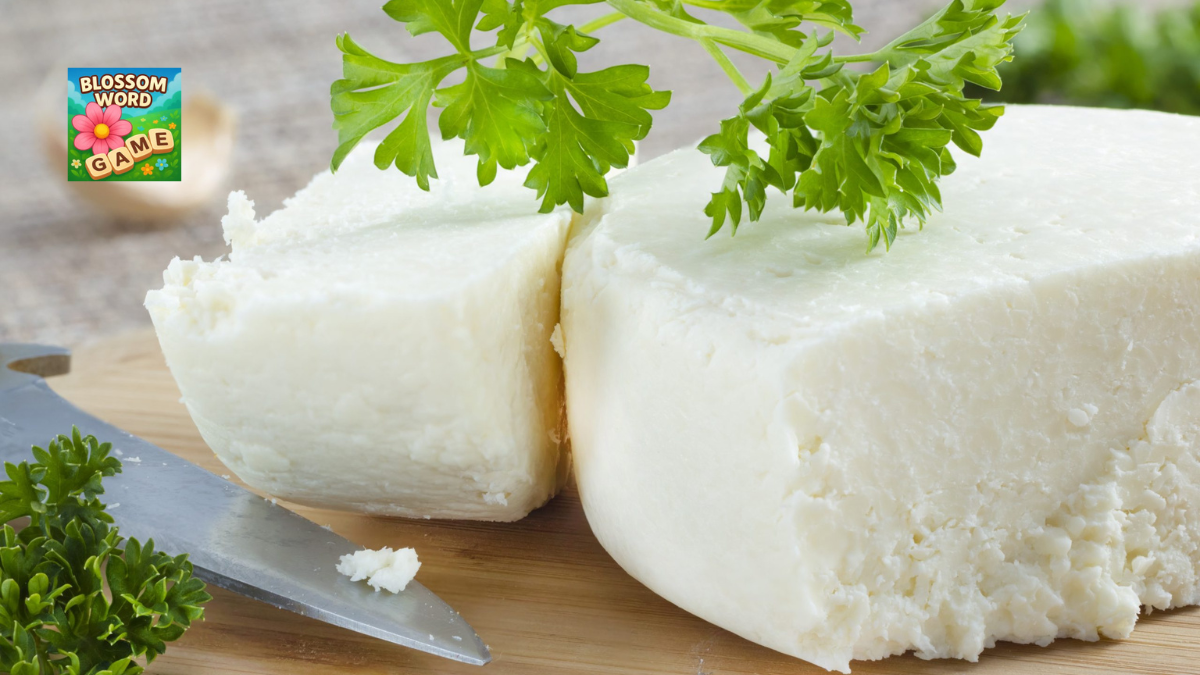
Mexican cheese can be broadly categorised into fresh, semi-hard, and aged varieties, each serving different culinary purposes. Fresh cheeses, including Queso Fresco, Panela, and Requesón, are soft, slightly tangy, and perfect for crumbling over dishes like tacos or salads. These cheeses are mild in flavour and retain a creamy texture, adding freshness to recipes without overpowering other ingredients.
Semi-hard cheeses such as Oaxaca and Queso Chihuahua are ideal for melting in quesadillas, enchiladas, and grilled sandwiches. Their stringy, gooey texture makes them excellent for dishes that require stretching or blending with other ingredients. Hard cheeses like Cotija and Queso Añejo offer strong, salty flavours that work well for grating over soups, beans, and roasted vegetables. Understanding these types helps UK home cooks select the perfect Mexican cheese for every recipe.
How to Use Mexican Cheese in Cooking
Mexican cheese is incredibly versatile in the kitchen, with applications ranging from melting and baking to crumbling and garnishing. Soft and semi-hard cheeses melt beautifully, making them perfect for quesadillas, enchiladas, and sauces. Crumbly cheeses like Cotija add texture and a burst of flavour when sprinkled over salads, tacos, or roasted vegetables, enhancing the overall taste of a dish.
Pairing Mexican cheese correctly can elevate recipes to restaurant-quality results. Mild, fresh cheeses complement spicy dishes, while aged cheeses introduce sharp, tangy notes. UK cooks can also experiment by combining different types of Mexican cheese to create rich, layered flavours. Learning the specific uses of each cheese ensures that every meal prepared with Mexican cheese is authentic, delicious, and visually appealing.
Where to Buy Mexican Cheese in the UK
Finding Mexican cheese in the UK has become increasingly convenient. Major supermarket chains such as Tesco, Sainsbury’s, and Waitrose now stock popular varieties including Queso Fresco, Oaxaca, and Cotija. Specialist Mexican or Latin American shops often carry a wider selection, offering authentic cheeses imported directly from Mexico. These stores are ideal for cooks seeking the most genuine flavours.
Online shopping also provides a simple solution for accessing Mexican cheese across the UK. Websites dedicated to Latin American food supply authentic cheeses with delivery options, making it easy to experiment with recipes at home. When buying Mexican cheese, it is important to look for freshness, quality, and authenticity to ensure the best flavour and texture for cooking.
Storing and Handling Mexican Cheese
Proper storage of Mexican cheese is essential to maintain freshness and flavour. Soft cheeses should be stored in airtight containers in the refrigerator to prevent drying out, while semi-hard and hard cheeses can be wrapped in wax paper or stored in specialised cheese bags. Some cheeses may also be frozen, although this can slightly affect texture.
Checking for signs of spoilage is important before using Mexican cheese. Discolouration, off smells, or mould indicate that the cheese is no longer safe to consume. By handling and storing Mexican cheese correctly, UK cooks can enjoy its full flavour and extend its shelf life, ensuring every dish prepared is delicious and authentic.
Health Benefits and Nutritional Information
Mexican cheese provides an excellent source of protein, calcium, and essential nutrients necessary for a balanced diet. Fresh cheeses are often lower in fat, making them suitable for light meals, while aged varieties contain more concentrated flavours and nutritional value. Including Mexican cheese in moderation can contribute to bone health and overall wellness.
Different types of Mexican cheese offer varying benefits depending on fat content, salt levels, and milk type. Goat and cow milk cheeses have distinct nutritional profiles, while the variety of Mexican cheese allows for a versatile approach to healthy eating. Enjoying Mexican cheese responsibly enables UK consumers to benefit from both its delicious taste and nutritional advantages.
Conclusion
Mexican cheese is a versatile, delicious, and culturally rich ingredient that enhances a wide range of dishes. From fresh Queso Fresco to aged Cotija, each variety provides unique textures and flavours suitable for melting, crumbling, or garnishing. With increasing availability in the UK, home cooks can easily access authentic Mexican cheese to elevate their meals and explore traditional recipes with genuine flavour.
Frequently asked questions
What is the most popular Mexican cheese in the UK?
Queso Fresco and Oaxaca are the most commonly used Mexican cheeses in the UK.
Can I substitute Mexican cheese with other cheeses?
Yes, cheeses like mozzarella or feta can sometimes substitute for Mexican cheese in recipes.
How do I melt Mexican cheese properly?
Melt Mexican cheese slowly over low heat to avoid separating and achieve a smooth texture.
What Mexican cheese is best for tacos?
Queso Fresco or Cotija are ideal for sprinkling over tacos for authentic flavour.
Are there vegan alternatives to Mexican cheese?
Yes, plant-based cheeses made from nuts or soy can be used as vegan Mexican cheese alternatives.
How long does Mexican cheese last once opened?
Fresh Mexican cheese lasts about 5–7 days in the fridge; harder cheeses can last 2–3 weeks.
Can I make Mexican cheese at home?
Yes, simple Mexican cheeses like Queso Fresco or Panela can be made at home with milk and rennet.
What is the difference between Queso Fresco and Cotija?
Queso Fresco is soft, mild, and crumbly, while Cotija is firm, salty, and aged.
Also Read: storm amy